
We Keep Losing Power. Our Kids Will Pay the Price If We Don't Fix It.
April 21, 2026
By Craig Blair, Executive Director of West Virginians For Reliable & Affordable Energy

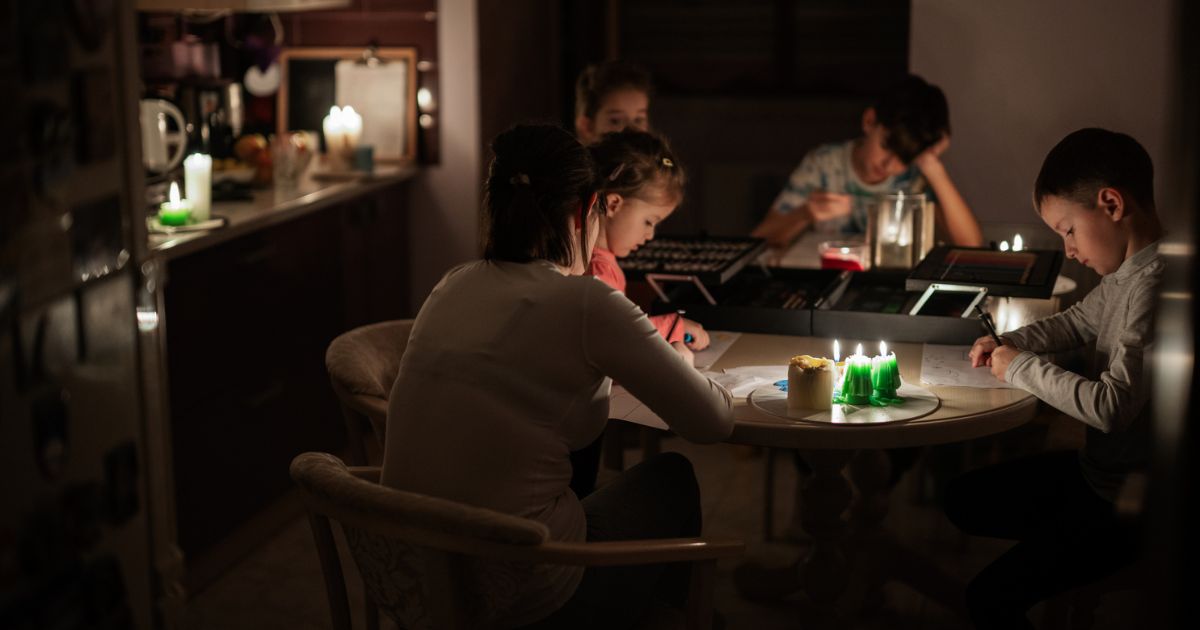
The last time your power went out at night, you probably grabbed the flashlights and checked on your kids, called the utility company, and waited.
That moment, lights out, family in the dark, nobody quite sure when things will come back on, is becoming more common across West Virginia. Most families in the state experience at least one outage a year. Many experience several. In fact, West Virginia experiences more power outages, with longer durations, than almost anywhere else in America.
And the underlying problem isn’t getting fixed.
West Virginia’s electric grid is more than 50 years old. The poles, lines, and equipment carrying power to homes and businesses across the state were designed and built at a time when a typical household used a fraction of the electricity it uses today. The average West Virginia home now draws two to three times more power than it did 40 years ago. The grid wasn’t built for that load, and it shows.
What happens if we wait?
Infrastructure doesn’t age gracefully. The longer an aging grid goes without modernization, the more expensive repairs become, the more vulnerable the system is to storms and extreme weather, and the harder it gets to attract the investment that could bring new jobs and economic activity to West Virginia communities.
That’s the legacy our kids inherit if we don’t act.
Make Your Voice Heard
Contact the Governor and your state legislators today. Tell them West Virginia voters support grid modernization – and that you expect them to act.
A West Virginia family that loses power four times this year could lose it four or more times next year. The cost of outages to families, in spoiled food, missed work, and disrupted routines, adds up. And it compounds over time.
The people who will feel that the most tomorrow are the ones who are children today.
What does modernizing the grid actually mean for families?
Grid modernization means replacing aging lines and equipment with stronger, more resilient infrastructure. It means adding technology that detects problems before they cause outages, restores power faster when disruptions do happen, and expands the system’s capacity to handle growing demand.
Done right, it means fewer outages for families across West Virginia. Faster recovery when storms hit. Lower long-term costs because you’re maintaining a modern system instead of patching an old one. So our kids and their families have the reliable electricity they need to work, and live and thrive here.
West Virginians are paying attention.
95% of West Virginians Support Modernizing the Grid
- 68% say it’s very important
- Support spans regions, parties, and communities
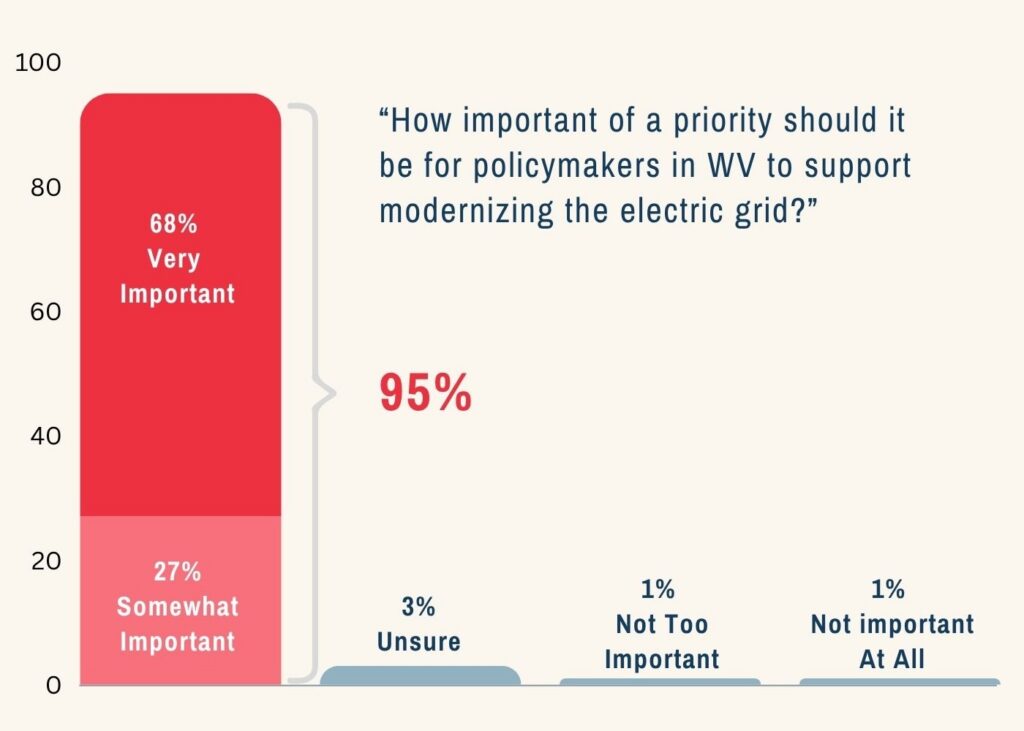
A recent poll found that ninety-five percent of West Virginia voters say modernizing the electric grid should be a priority for state policymakers. Sixty-eight percent called it “very important,” a level of agreement that cuts across party lines, regions, and age groups.
The voters who feel most strongly? Parents. People who have experienced frequent outages. People who are thinking not just about this year’s electric bill, but about what kind of infrastructure they leave behind.
West Virginia has always found ways to power through hard problems. The question on the grid isn’t whether we can fix it. It’s whether we’ll fix it now, or hand the job to our kids.