
Overlooked in the MARL Debate – TJ Meadows Weighs In
June 12, 2026
By Craig Blair, Executive Director of West Virginians For Reliable & Affordable Energy

Kudos to TJ Meadows for taking the time to explain what many people have overlooked in the debate over the proposed Mid Atlantic Resiliency Link (MARL).
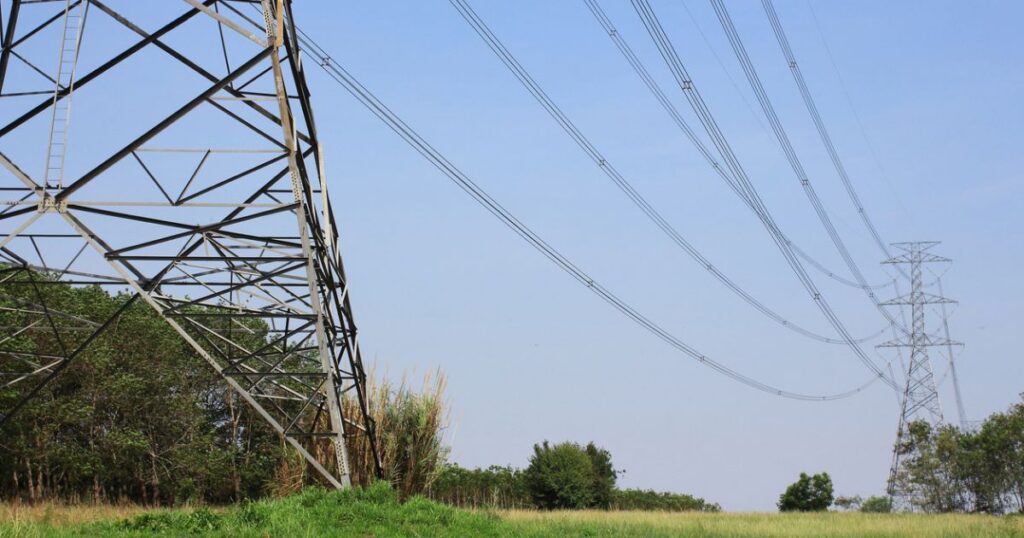
His commentary cuts through the noise and focuses on how the electric grid actually works. West Virginia is part of an interconnected regional system that helps keep electricity reliable when demand spikes, generation units go offline, or severe weather impacts one area of the grid. TJ correctly points out that West Virginia has long been an energy-producing state and that transmission infrastructure is essential to delivering that power where it is needed.
His article is especially timely given President Trump’s recent actions to strengthen America’s electric grid and support coal-fired generation. In just the past week, the administration announced hundreds of millions of dollars in investments to modernize existing coal plants, support new coal-fired generation, and expand America’s ability to meet growing electricity demand driven by manufacturing, artificial intelligence, and data centers. One of the announced projects includes a new coal-fired power plant at Mount Storm, West Virginia.
At West Virginians For Reliable & Affordable Energy, we have spent months educating citizens, businesses, labor organizations, elected officials, and community leaders about the importance of both generation and transmission. New power plants alone are not enough. The electricity must have a path to reach homes, businesses, manufacturers, and data centers that are driving demand across the region.
That is why modern transmission projects are so important. These transmission investments strengthen reliability, improve resiliency during emergencies, reduce congestion on the grid, support economic development, and create opportunities for West Virginia’s coal, natural gas, potential nuclear, and other energy resources to reach growing markets.
West Virginia has a tremendous opportunity before us. President Trump is signaling that coal-fired generation will continue to play a critical role in America’s energy future. To fully benefit from that opportunity, we must also build the transmission infrastructure necessary to move that power where it is needed.
Thank you, TJ, for bringing facts and perspective to an important conversation. Whether someone supports or opposes MARL, every West Virginian benefits from understanding how our electric system actually works.
I encourage everyone to read TJ’s commentary and decide for yourself.
Make Your Voice Heard

Contact the Governor and your state legislators today. Tell them West Virginia voters support grid modernization – and that you expect them to act.