

Farm Bureau meets with NextEra about power line
Published in Garret County Republican, June 25, 2026
By Rob Hammond
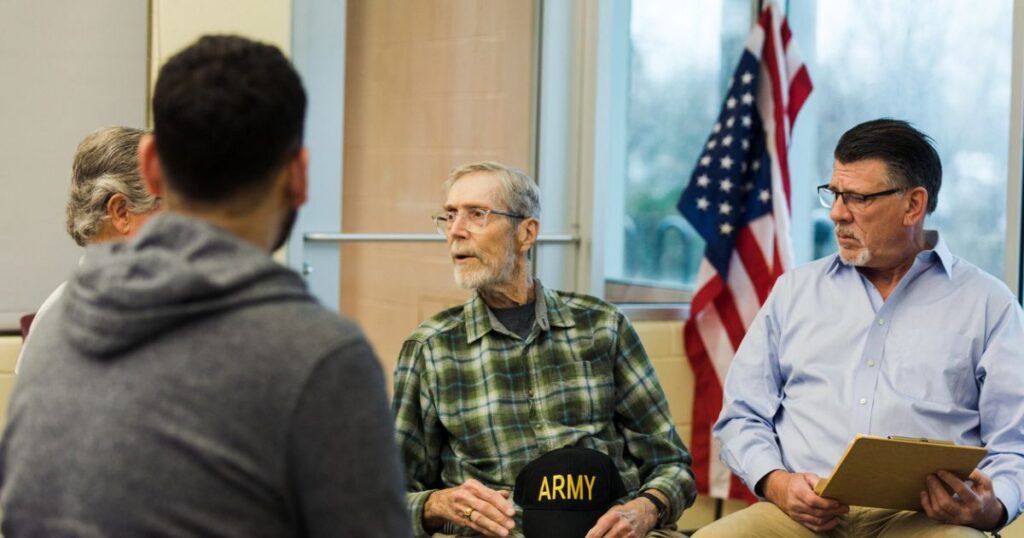
OAKLAND —George Edwards organized a meeting on June 11 between some Farm Bureau members and NextEra Energy Transmission to discuss their proposed power line.
After the meeting, Edwards stated,“NextEra has been very open with this project and has had many meetings with people in Garrett and Allegany counties. At this meeting, they brought Farm Bureau representatives up to date with where they are with benefits for both countries and as they work with individuals on leases.”
Kaitlin McCormick, the Director of Development for NextEra and her two colleagues updated on the power line project status and answered questions from Farm Bureau members.
McCormick gave a summary of the project. She noted that PJM, which is the grid operator for Maryland, 12 other states and D.C., selected NextEra for the MidAtlantic Resiliency Link in 2023, as part of a portfolio of transmission projects to address reliability concerns in the region.
The project consists of building a new approximately 107.5-mile 500,000-volt transmission line from a substation in Dunkard Township, Pa., to a connection point near Gore, Va. The power line will run through Pennsylvania, West Virginia, Maryland, and Virgina. There will be a substation in Danville to serve Allegany and Garrett counties.
Since Maryland does not generate enough power, it must import 40% of the electricity the state needs. This power line will help address the electricity needs of Marylanders. McCormick also mentioned that the power line is designed as a two-way transport so electricity can originate or be delivered along its route. This will facilitate future microgrids and small modular reactors that are expected to be an important part of the national power grid.
The timeline for the project’s milestones is state regulatory approval mid-2027, start of construction late-2029, and start of service late-2031.
Some Farm Bureau members expressed concern about the mistreatment of farmers from a powerline company in a different part of the state. McCormick’s team, including her corporate communications staff (which this writer contacted), assured that the concerns they had are with a different company and that NextEra takes a different approach to the landowners and the communities that their lines affect.
“NextEra works directly with landowners at every stage of a project and that commitment continues through construction and restoration,” she said. “Our approach is grounded in respect for private property, transparent communications and fair compensation. This approach has resulted in 100% voluntary participation in our two recent projects. As we build projects we work one-on-one with all landowners to understand how their land is used. We compensate landowners at fair market value for easements, and we also compensate landowners for crop damage, repair impacted areas and restore land so it can continue to be used for farming, including row crops and cattle grazing. Where temporary impacts may occur, such as crop loss, soil disturbance or access limitations, those impacts are assessed and landowners are compensated. Then, we restore the land through our restoration plans. Our goal is simple: treat people fairly, communicate clearly and leave the land in a condition that supports long-term use.”
She also noted that the group believes being a good neighbor means showing up for the communities it serves.
“In 2025 and 2026, that included supporting local 4-H and FFA programs across Garrett and Allegany counties in Maryland and multiple counties in West Virginia, along with student scholarships and county fair participation along the project corridor,” she said. “These are long-standing community institutions, and we are proud to support them as part of our ongoing commitment to the region.”
Billy Bishoff, from the Farm Bureau, asked why NextEra can’t pay landowners an annual fee for the use of their land rather than a larger upfront payment for the easement, as cell tower, solar and wind power companies do. Bishoff stated that his farm has had a power line since the Deep Creek power company built it 100 years ago.
Other members stated that a landowner cannot assume the land will always be a farm with minimal impact from the power line. Future development of recreational or commercial projects could be impacted by the power lines. An annual payment to the future owners would help compensate for the loss in value of their property.
McCormick responded that company and industry standards were to pay for the easement at the time of contract. She said she understood the farmers’ issues and would relay their concerns to her management team.
The team also related that reliable electric infrastructure is a key factor in attracting and sustaining industries that require consistent, high-capacity power. This includes manufacturing and agriculture processing. It was noted that by increasing the capacity and flexibility of the regional grid, this project helps position areas like Garrett County for future economic opportunities while ensuring the backbone of the electric grid can meet growing demand.
“It’s important to note that the electric grid today is under real strain,” they stated. “Demand for electricity is growing, and much of the existing transmission system was built decades ago. We can’t wait for the grid to fail to fix it.”
The project is expected to generate an estimated annual $3.6 million to Garrett County, $925,000 to Allegany County and $300,000 to the State of Maryland in combined tax revenue. These revenues will be generated during the two-year construction period and throughout the project’s 40-year operational life.